
The Psychology Behind Gambling
The thrill of casino games captivates millions worldwide, evoking a wide range of emotions from excitement to anxiety. This psychological allure stems from the unpredictable nature of gambling, where chance meets strategy. Many players are drawn to the adrenaline rush generated by the possibility of winning big, which can sometimes lead to an almost euphoric state. This psychological phenomenon is known as « gambling addiction, » where the brain’s reward system is activated, encouraging repeated play even in the face of losses. It is interesting to note that many players also seek out the best crypto casinos for their unique experiences and potential for rewards.
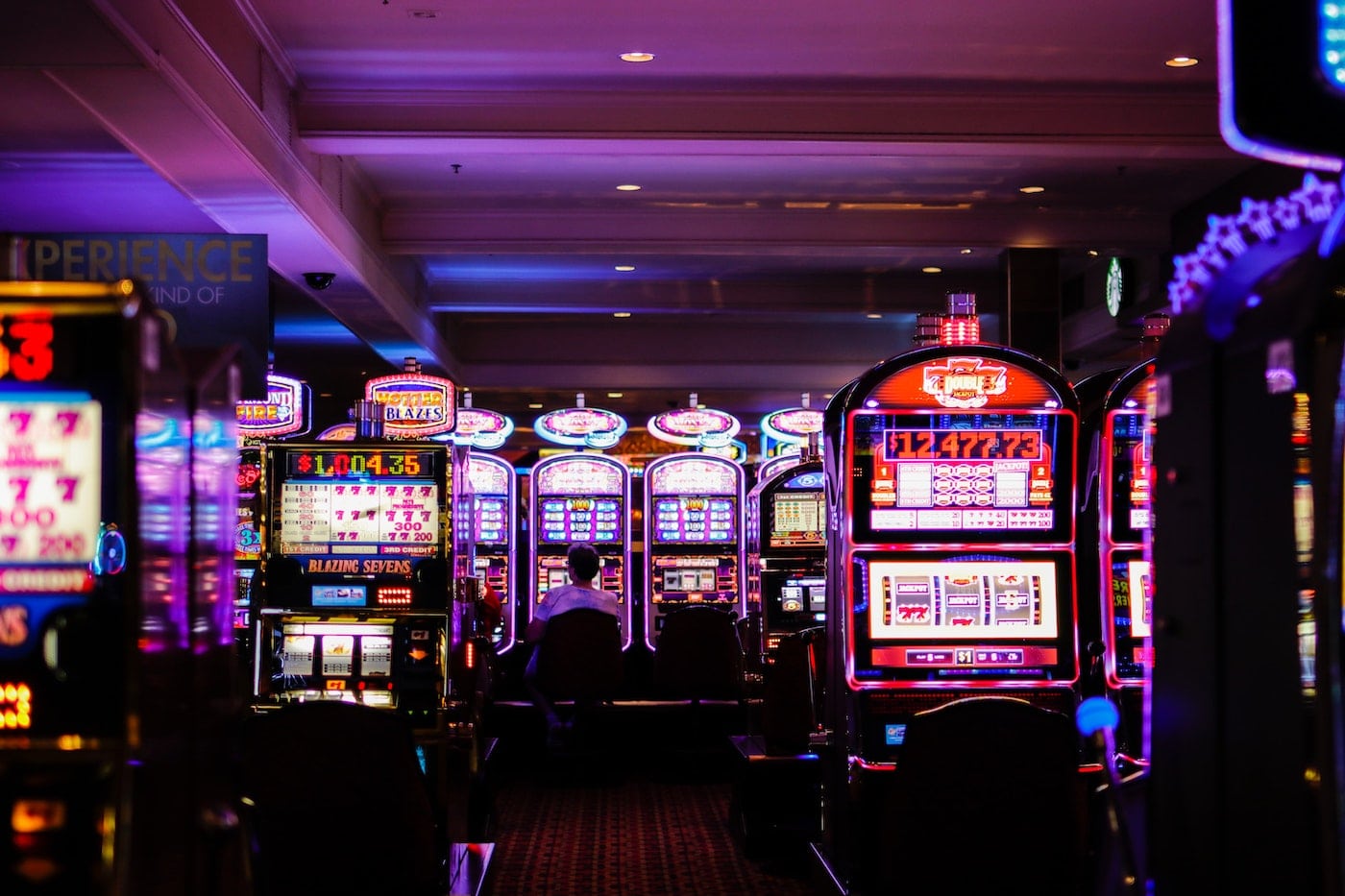
Furthermore, casino games often employ psychological tricks, such as enticing sounds and visuals that create an immersive experience. Players may perceive their chances of winning to be higher than reality due to these sensory stimuli. This disconnect between perception and reality can lead to an ongoing cycle of play, encouraging players to return to the tables or machines for another chance at that elusive win.
The Role of Chance in Casino Games
Chance is a fundamental aspect of casino gaming, underpinning games like slots, roulette, and even blackjack. The randomness associated with these games is what entices players, as each spin or deal can potentially change their fortunes. However, it’s important to understand that while luck plays a significant role, the odds are often heavily stacked in favor of the house. For example, in games like roulette, the presence of the house edge means that over the long term, the casino is more likely to win than the players.
This element of chance contributes to the excitement of gaming, as players experience the hope of winning despite the odds. Each game presents a unique opportunity for unexpected outcomes, making it a rollercoaster of emotions. But it’s essential for players to maintain a clear understanding of the odds to ensure that their engagement remains enjoyable and responsible.
Strategy: Enhancing Your Game
While chance is integral to casino games, employing strategy can significantly enhance a player’s experience and potentially improve outcomes. Many games, particularly table games like poker and blackjack, rely on skill and strategy as much as they do on luck. Understanding the rules, learning various betting strategies, and reading opponents can provide a competitive edge. For instance, in blackjack, players can reduce the house edge by employing card counting techniques and optimal betting strategies.
Moreover, certain games require the use of specific tactics that can influence the results more than pure luck. Games involving skill, like poker, not only require an understanding of probabilities but also a keen insight into human psychology. Developing a strong strategy can transform the experience from one of mere chance into an engaging intellectual challenge, further deepening the allure of casino gaming.
The Impact of Casino Design and Environment
The physical design of a casino plays a crucial role in attracting and retaining players. Most casinos are meticulously designed to create an immersive environment that encourages players to stay longer and spend more. Features such as bright lights, captivating sounds, and the presence of free refreshments are designed to stimulate excitement and prolong gaming sessions.
This environment fosters a sense of community and belonging among players, enhancing the overall experience. The strategic placement of games and the layout of the casino can lead players to discover new games, thereby increasing their engagement. Ultimately, the design of a casino complements the psychological and strategic elements of gaming, creating an irresistible allure that draws in players from all walks of life.
Exploring Responsible Gambling Practices
As the allure of casino gaming can lead to excessive play, it is vital to promote responsible gambling practices. Awareness of one’s limits and understanding the importance of setting budgets is essential for maintaining a healthy relationship with gambling. Many casinos now offer tools and resources to help players engage responsibly, such as self-exclusion programs and alerts for time spent playing.
Furthermore, fostering an environment of open dialogue about gambling addiction and its impacts can empower players to make informed decisions. By understanding the nature of chance and strategy, as well as the risks involved, individuals can savor the excitement of casino games while minimizing potential harm. This balanced approach ensures that the thrill of gaming remains an enjoyable experience devoid of negative consequences.